
Your Main Water Shut-off Valve
This valve controls all water entering your unit. In a flood — burst line, failed heater, ruptured connection — it's your only way to stop the water.
Look for a modern quarter-turn ball valve. One quarter turn fully opens or closes flow. If yours is stuck or leaking around the stem, call a plumber.
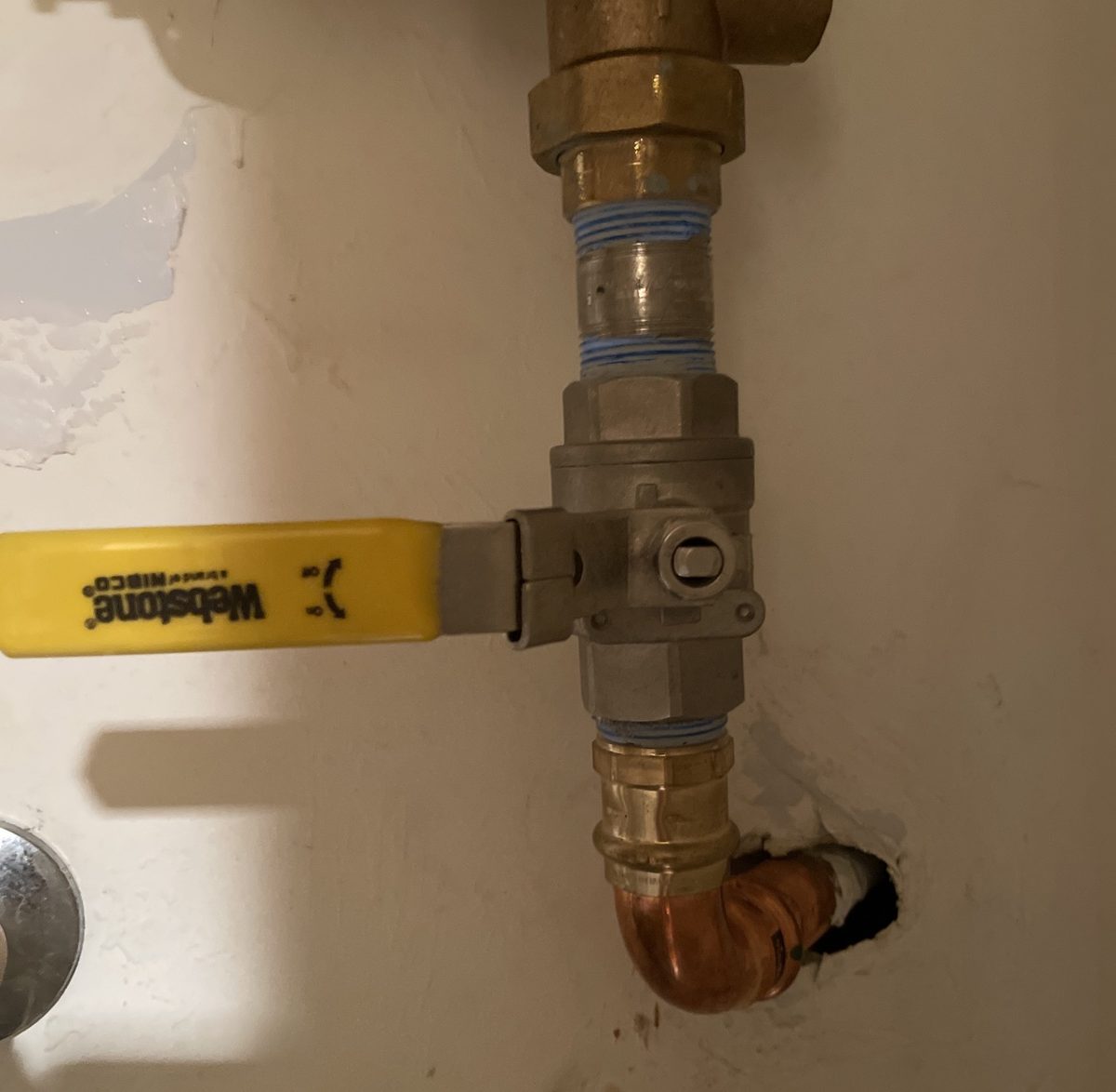
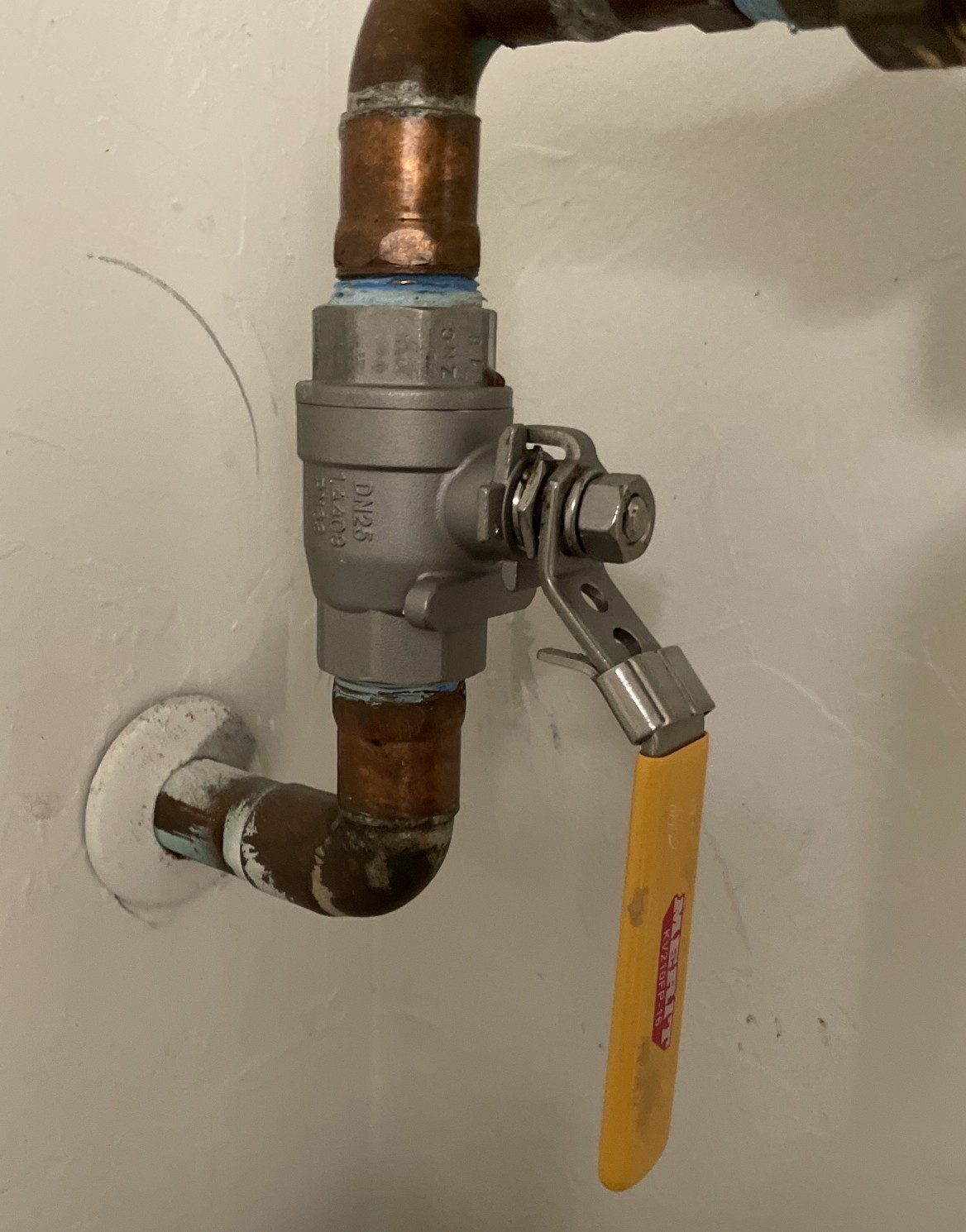
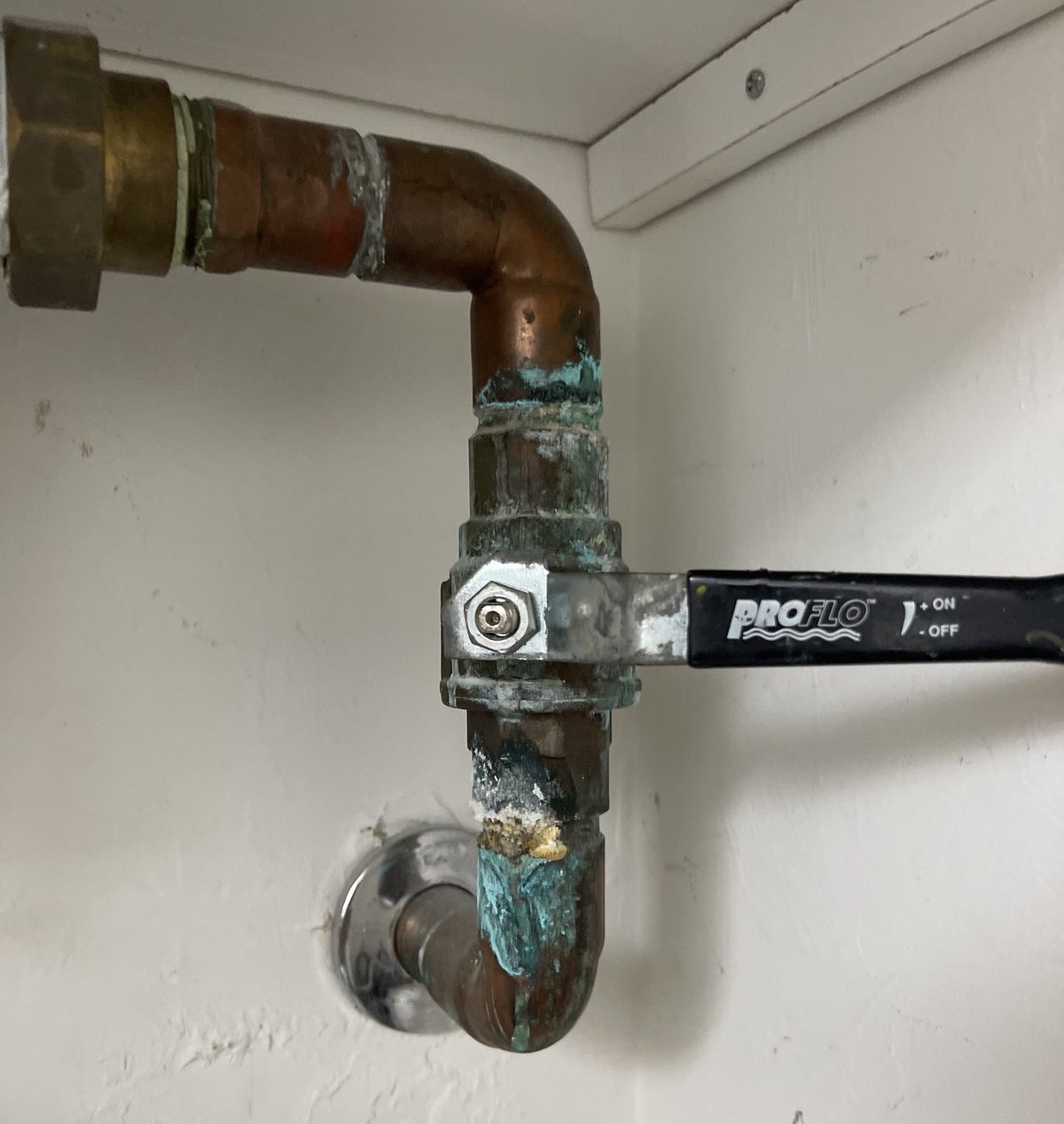
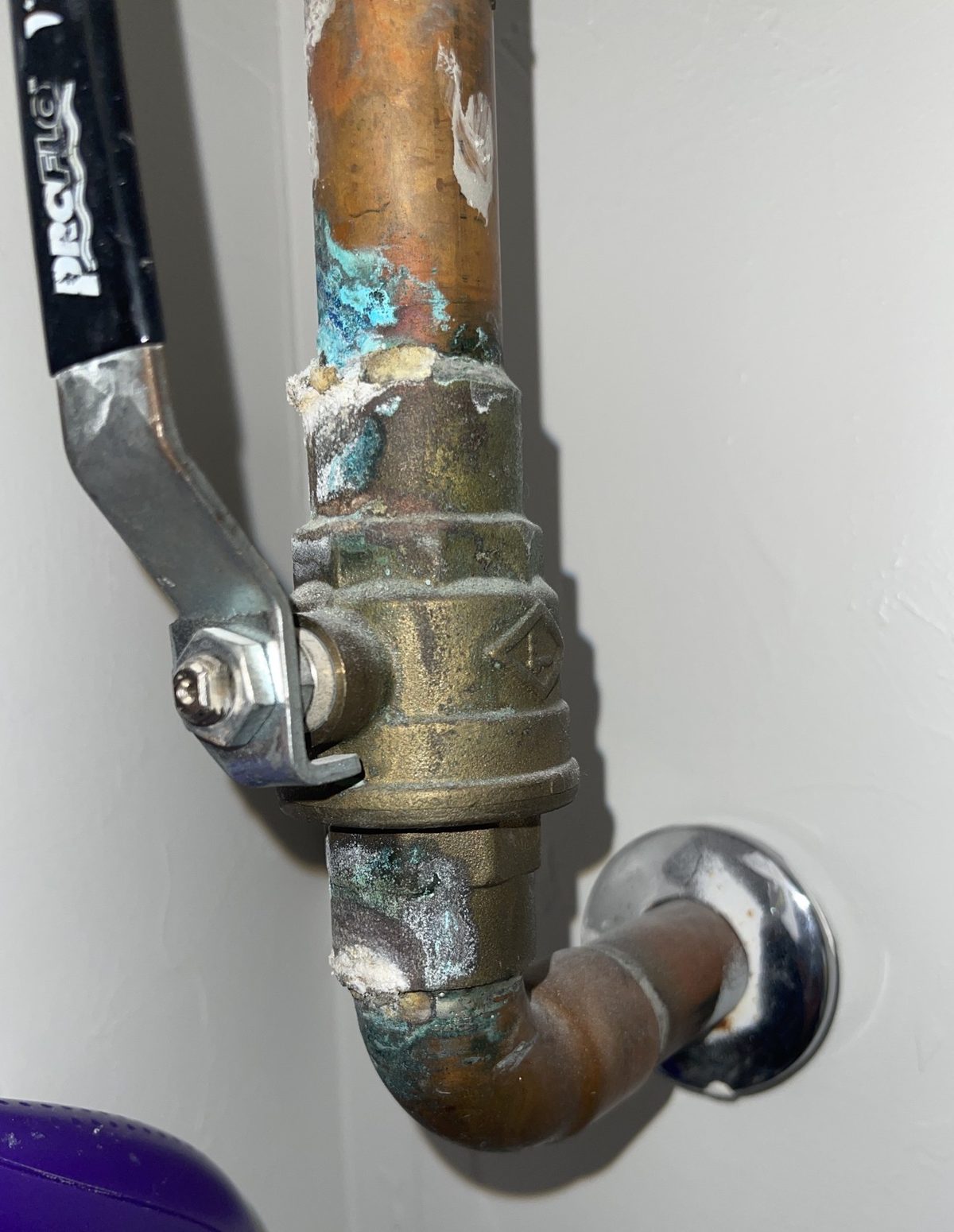
Locate your valve today and confirm you can turn it.
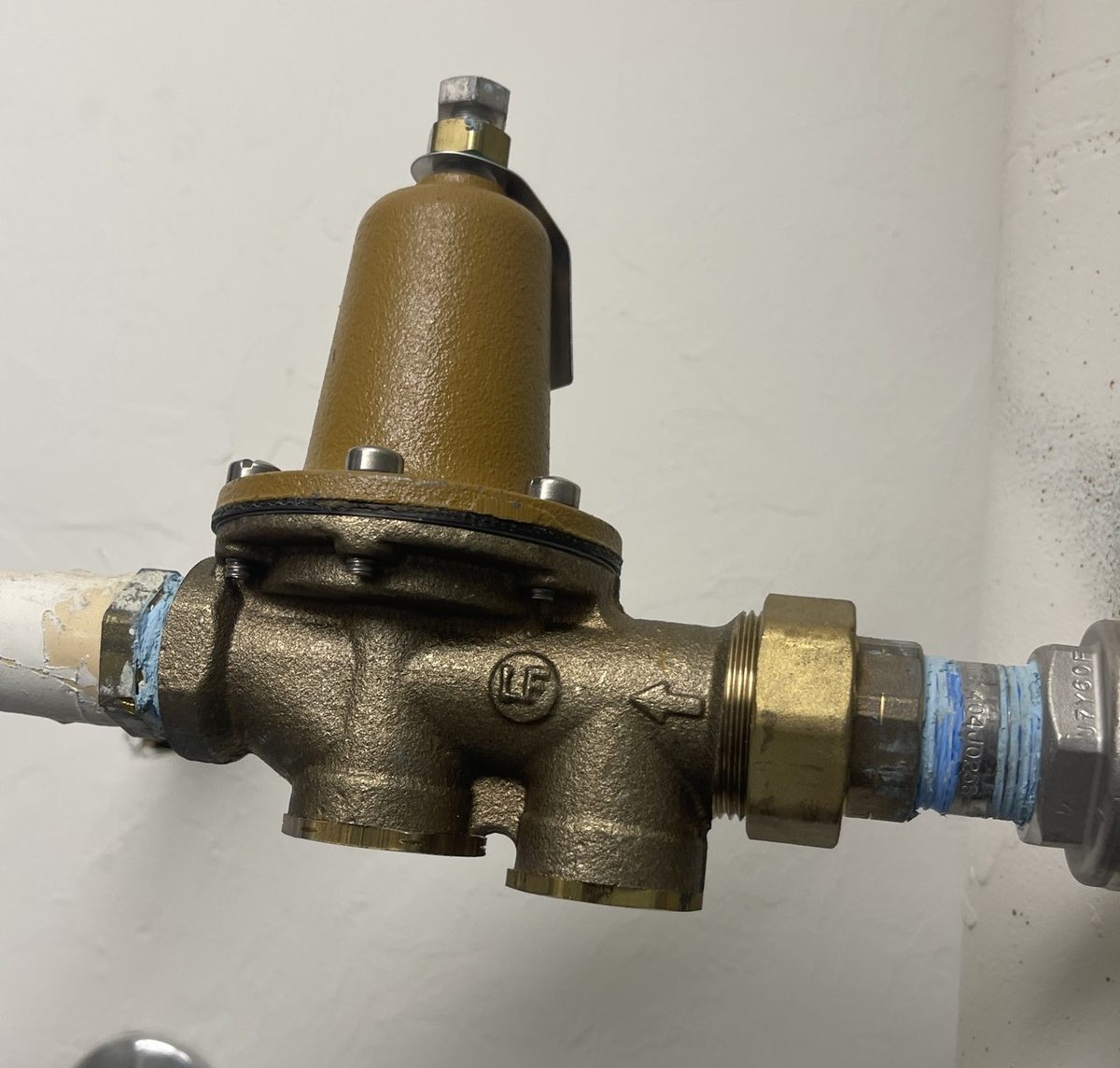
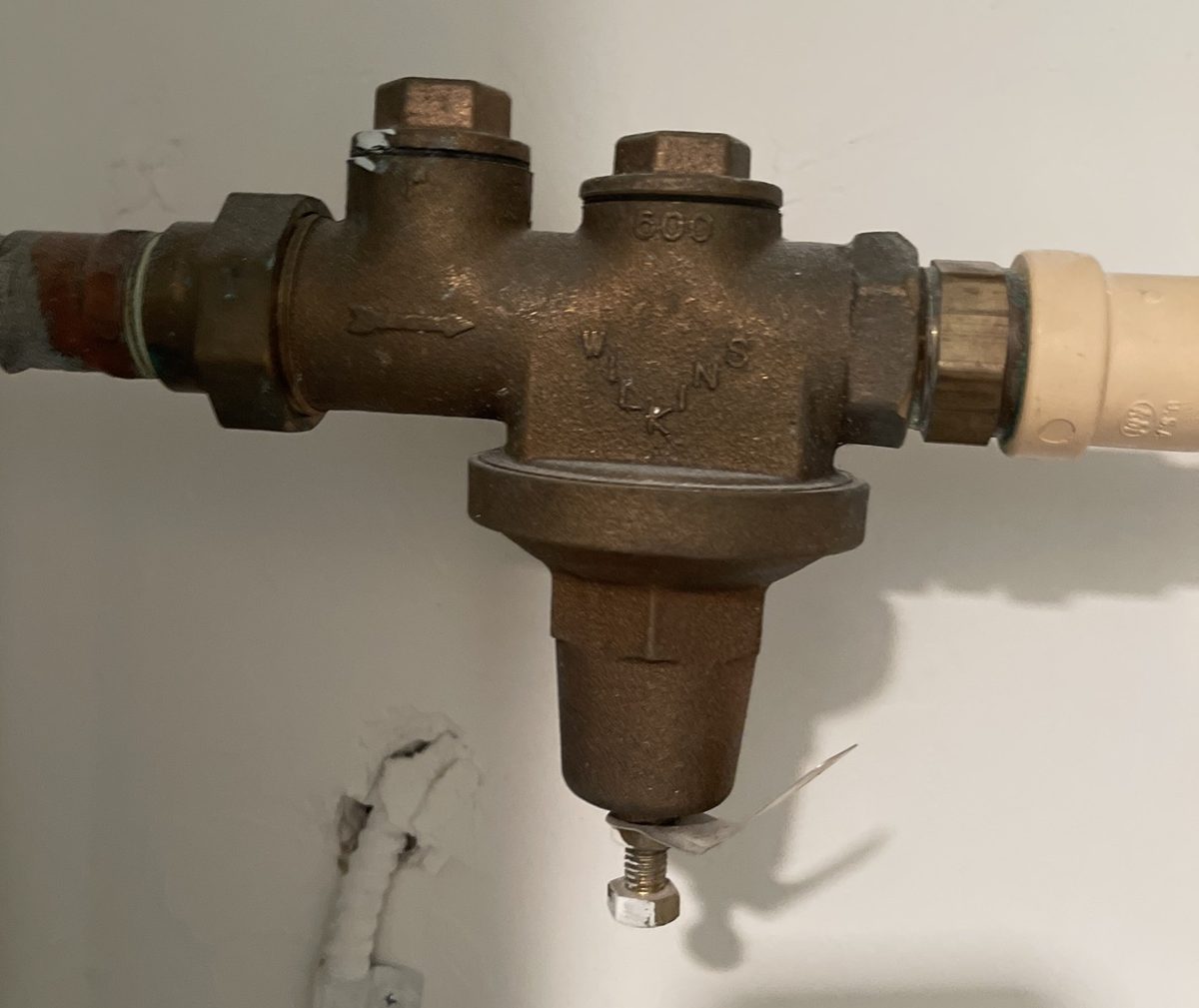
Pressure Reducing Valve (PRV)
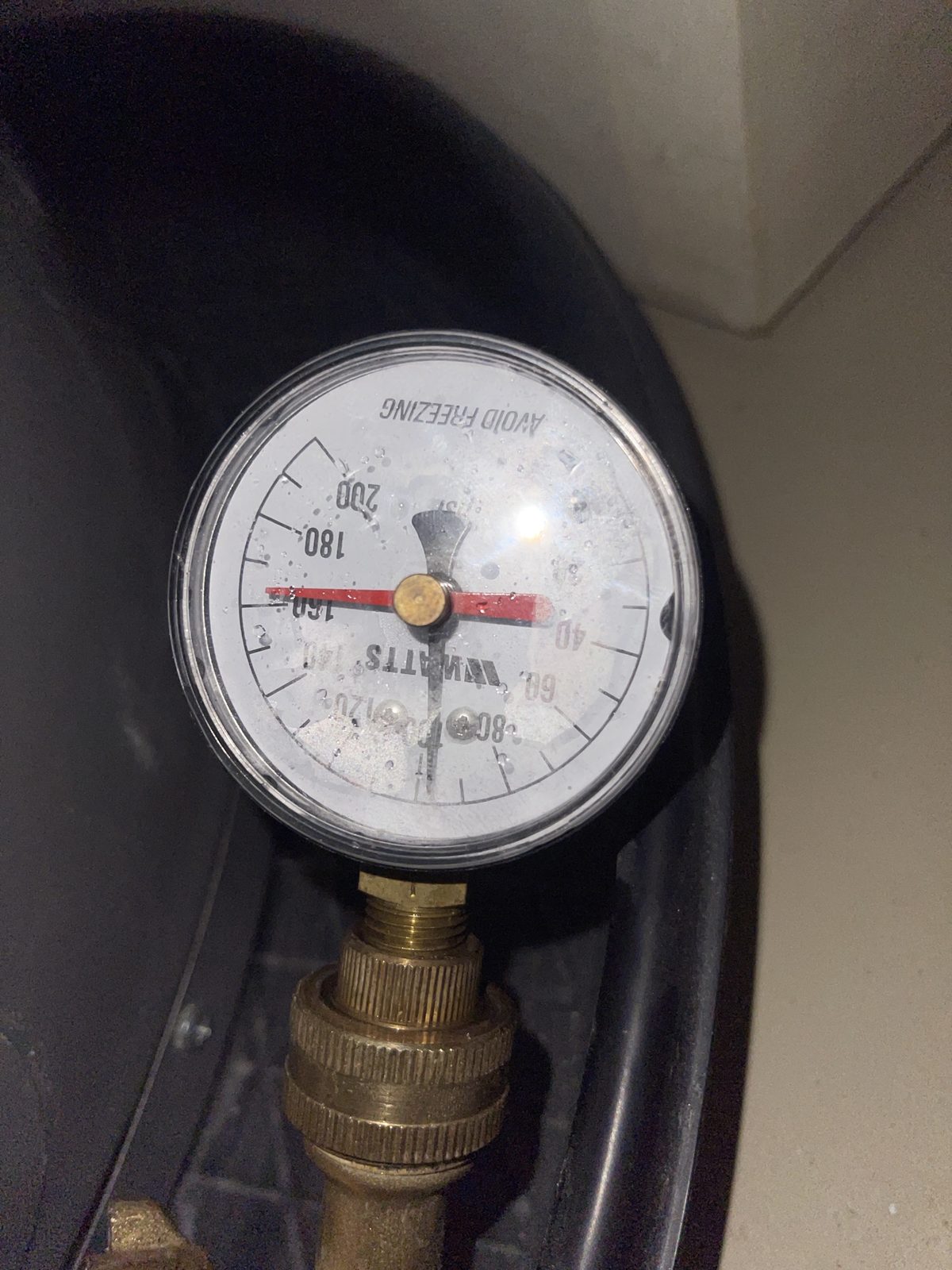
Your PRV reduces incoming building water pressure to a safe level (50–70 PSI). Without it, every fixture in your unit is under excess stress and will wear out years ahead of schedule.
Lifespan: 5–7 years. They can fail open (too high) or closed (too low). A plumber can test your pressure with a simple gauge.
Warning signs: banging pipes, fluctuating pressure, high water bills, or corrosion on the valve body.
Water Heater Replacement at 10 Years
Water heaters must be replaced at or before 10 years. After that mark, tank rupture and leak rates increase dramatically.
Insurance: Many policies require heaters under 10 years old as a condition of coverage. An out-of-compliance heater can be grounds to deny a claim entirely.
Florida law (SB 4-D): Buildings must maintain records of equipment age and condition. Water heater compliance is part of building-wide inspection programs that affect association insurance standing.
The risk: Aging tanks develop internal corrosion and thinning walls. A small leak becomes a catastrophic failure with no warning.
Toilets — Parts, Seals & Stability
Running toilets waste money. A silent leak from tank to bowl loses 1–3 gallons per minute — thousands of gallons a month.
Base seal failure. The wax ring under your toilet seals it to the drain. When it fails, flush water seeps into the subfloor invisibly. By the time you see warped floors or ceiling stains below, the damage is extensive. A simple fix when caught early — an expensive renovation if ignored.
A moving toilet is a failing toilet. Any rocking or shifting means a broken flange, missing bolts, or bad seal. Every movement makes it worse. If it moves, it needs attention now.
⛔ Signs of Trouble
Rocks or shifts. Water at the base. Soft or discolored flooring. Odor in the bathroom.
✅ What's Normal
Completely solid. No water at base. Clean caulk line. Tank refills once then goes silent.
Keep Your Drain Traps Wet
Every drain has a U-shaped trap that holds water to block sewer gas. When a drain goes unused — common in seasonal Florida condos — the water evaporates and the seal is lost.
How to Do a Simple Toilet Dye Test
The simplest way to check for a silent toilet leak. No tools needed.
- Don't flush for 15–20 minutes. Let the tank settle.
- Lift the tank lid. Add dye tablets, food coloring, or a dye strip to the tank water. Do not flush.
- Wait 10–15 minutes.
- Check the bowl. Colored water = leaking flapper. Clear water = pass.
A new flapper costs $10–$15 and takes 10 minutes to replace. It can save thousands of gallons per month.
Spotting Corrosion on Valves & Supply Lines
Florida's heat, humidity, and hard water accelerate corrosion dramatically. What takes 20 years elsewhere can appear in 8–10 years here. A quick visual check prevents failures.
Where to look:
What to look for: Green buildup (corrosion), white chalky deposits (seeping), rust staining (metal degradation), or any moisture around connections.
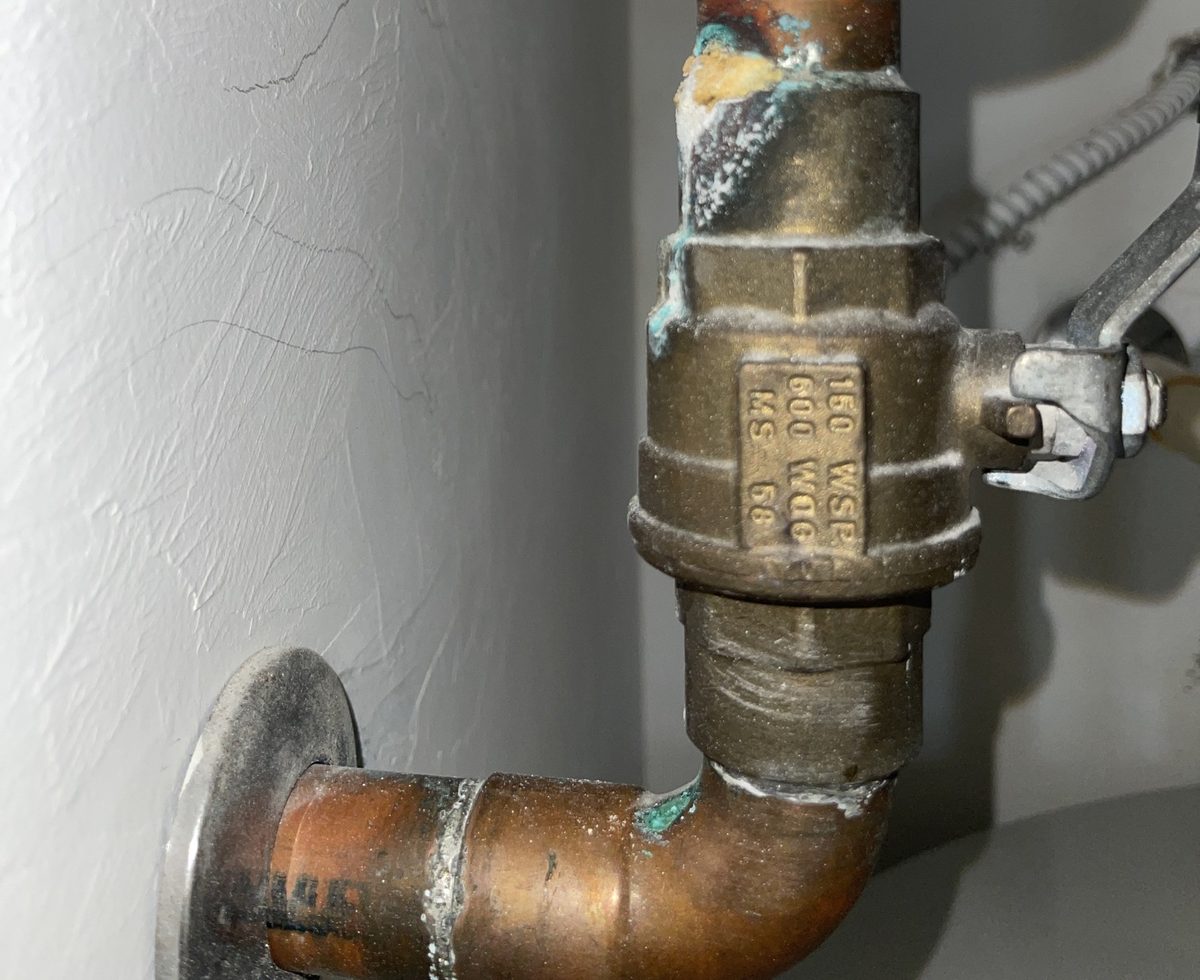
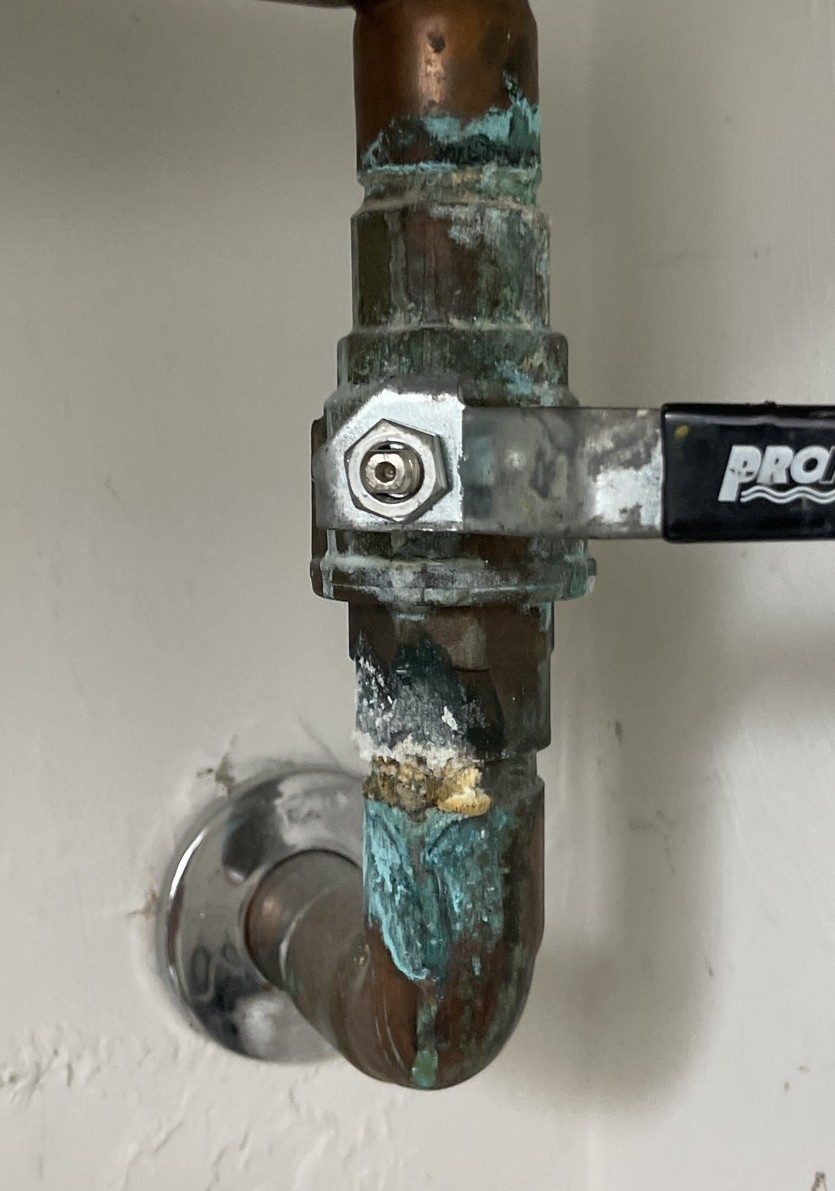
When in doubt, call a plumber. A service call costs far less than an uncaught failure.
Leak Detection Systems
Smart leak detection systems are brilliant — we've seen them save millions in damages!
Fully automated systems can be installed and operated from most Smart Home Apps. There are reputable installers and brands available. You can install your own system too, all you need are a few components (DIY instructions coming soon, contact Crystal if you're interested in having the instructions sooner). Automatic Smart shutoff valves have to be installed by a Plumber, you can DIY the rest.
These systems are CHEAP insurance and peace of mind for you — and your neighbors!